HEPFDC.org
“Saving the Most Lives and Preventing the Most Suffering”

“Saving the Most Lives and Preventing the Most Suffering”
Most patients we see in both developed and developing countries are suffering from diseases that are preventable. The 2008 WHO World Health Report emphasized the following as one of the most important problems in both developed and developing countries:
“Misdirected care. Resource allocation clusters around curative services at great cost, neglecting the potential of primary prevention and health promotion to prevent up to 70% of the disease burden.”
Because of the increased burden of disease due to lifestyle over the past 15 years, 70% is now considered a low estimate. Of all their healthcare needs, the greatest by far is for reliable health care information. Although life-saving information is available from the best evidence-based sources, it seldom reaches our patients or even their healthcare providers. Many websites provide conflicting, biased and erroneous advice.
Why does the HEPFDC use WHO guidelines?
The WHO requires that its guidelines be evidence-based. “Evidence-based guidelines are systematically developed statements and recommendations designed to help doctors, patients, and health leaders make the best possible healthcare decisions.” These are also necessary for approval by Ministries of Health as well as US regulatory authorities.
How are evidence-based guidelines developed?
—Scientific Research: Built on thorough reviews of the best available medical studies, such as randomized controlled trials and meta-analyses.
–Balance of Outcomes: Evaluates the benefits and potential harms of different treatments or diagnostic tests.
—Real-World Application: Combines scientific data with clinical expertise and patient values to guide safe, effective care.
Although many guidelines claim to be “evidence-based,” the WHO is unique in that it is made up of 194 member countries and over 800 collaborating centers (Including the NIH and CDC) to actually provide true evidence-based guidelines. The HEPFDC content therefore represents the work of thousands of physicians, epidemiologists, statisticians and other health experts from all over the world.
This program was created to provide the most important evidence-based healthcare information for “Saving the Most Lives and Preventing the Most Suffering” in the U.S. and globally.
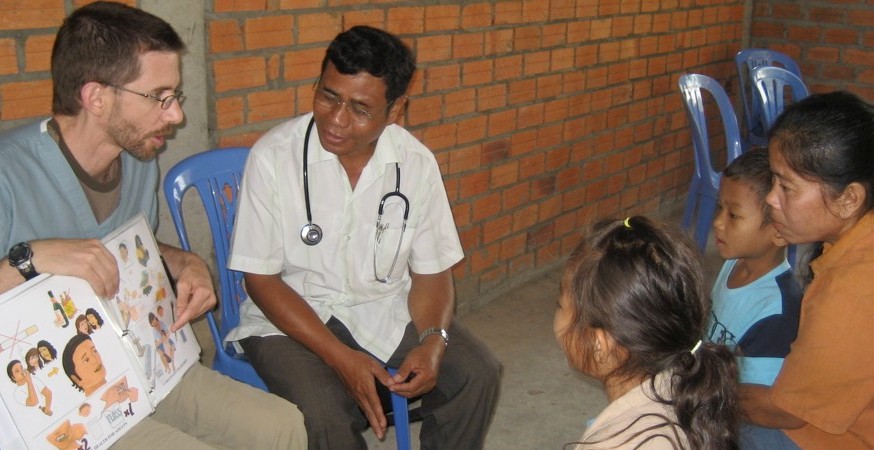

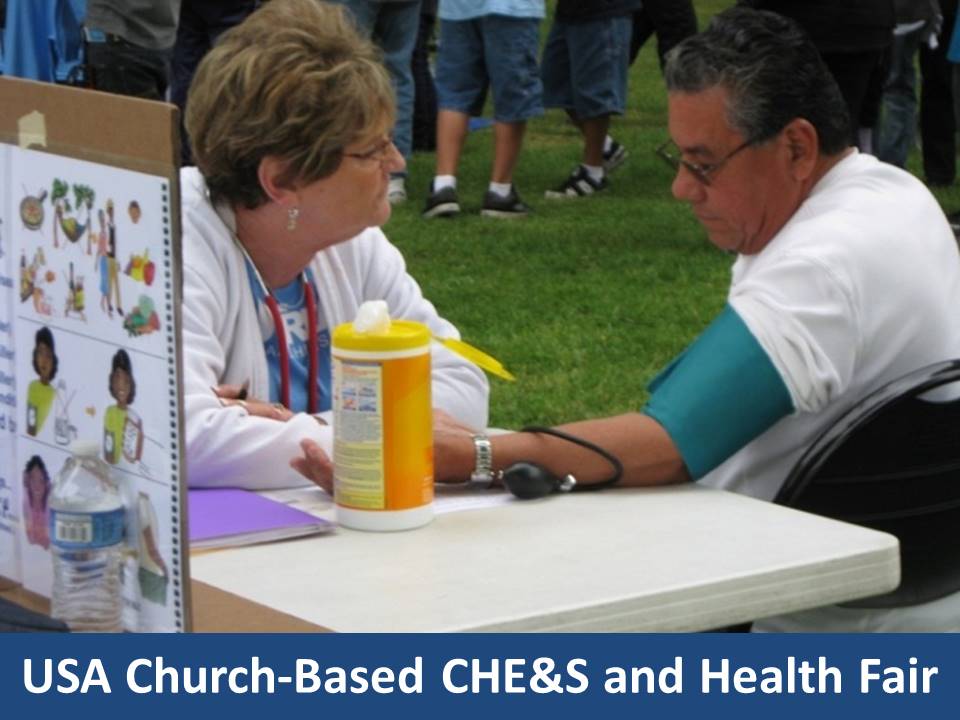
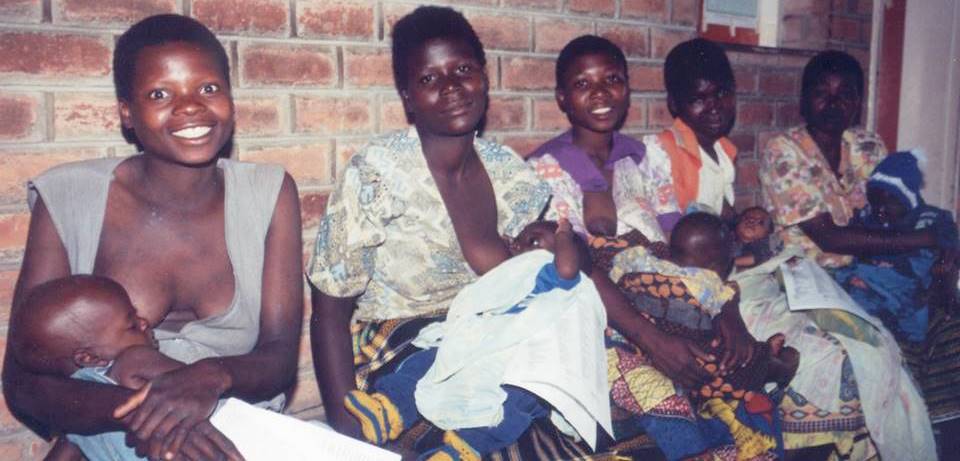
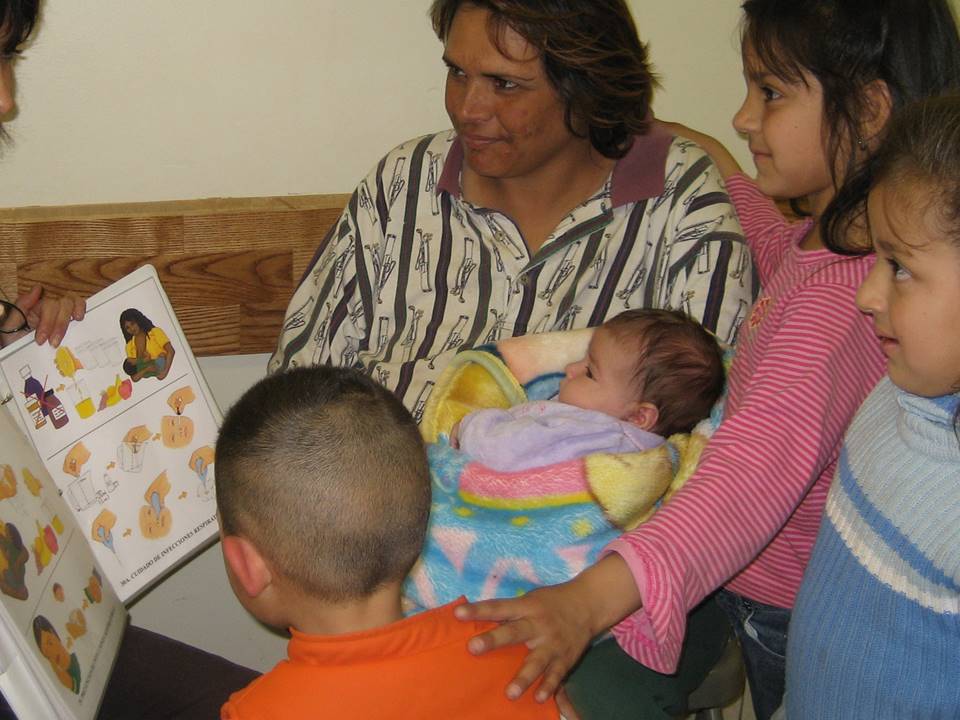
(See the following for Slide Presentations):
SYSTEM 1: CHE (Community Health Education) The 70%
SYSTEM 2: CHE&S (CHE + Health Screening)
SYSTEM 3: CHE&S + Health Fairs
THE 3 CHE SYSTEMS: FOLLOW-UP
See the CHE tab for additional information
Documents and illustrations created for the HEPFDC are open-access (freely available) and licensed under a Creative Commons Attribution 4.0 International License…
Available in:
English/ French/ Hindi/ Hmong/ Indonesian/ Khmer/ Mandarin/ Russian/ Spanish